Introduction
India’s maritime and logistics sector is central to international trade, with shipping containers facilitating the movement of goods across global supply chains. Developing domestic container manufacturing is strategically important for reducing import dependence, strengthening logistics resilience and supporting India’s manufacturing ambitions.
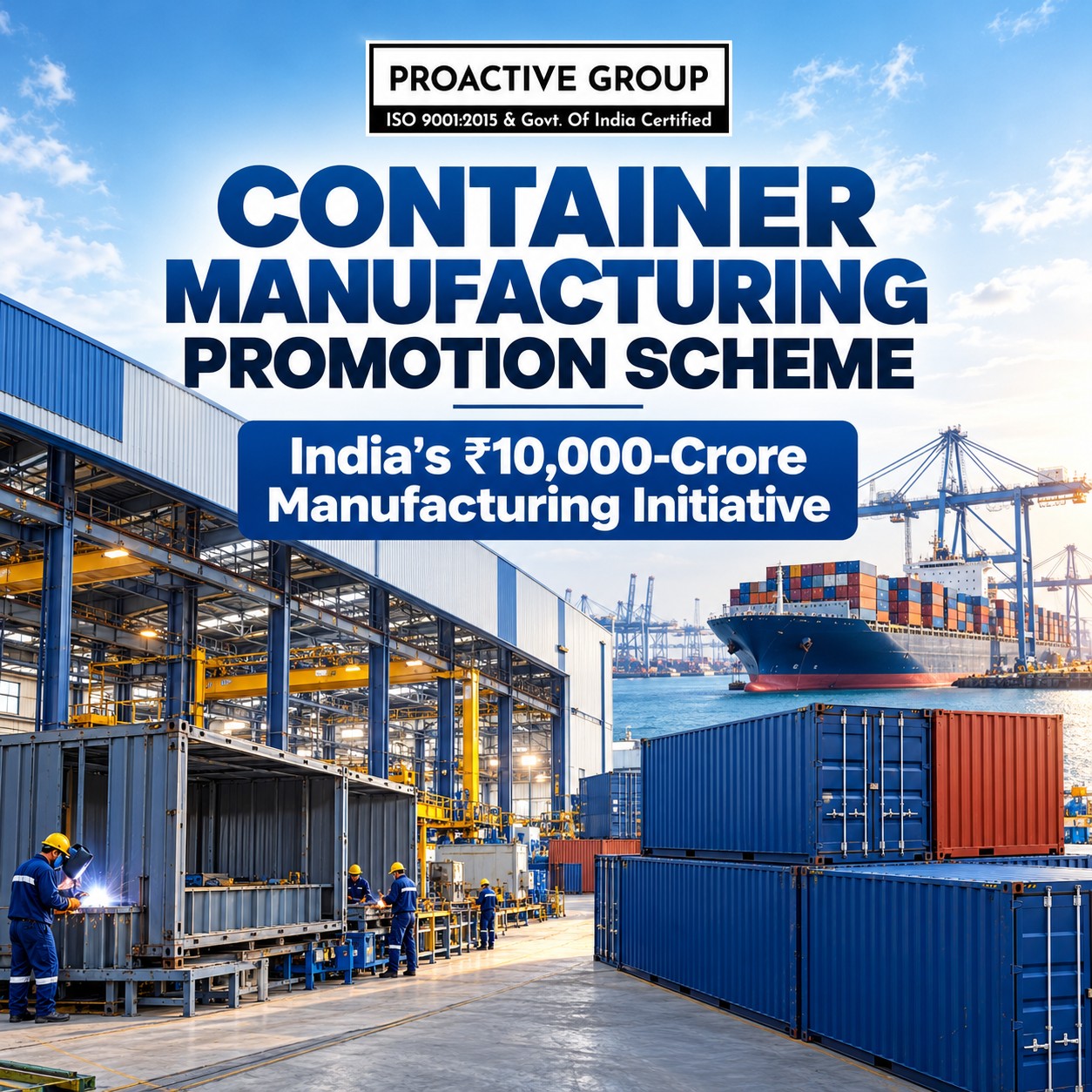
On 28 October 2026, the Union Cabinet approved the Container Manufacturing Promotion Scheme (CMPS) with a budgetary outlay of ₹10,000 crore up to FY 2039–40. The initiative aims to establish a globally competitive container manufacturing ecosystem in India.
What Is the Container Manufacturing Promotion Scheme?
CMPS is a government initiative announced in Union Budget 2026–27 to establish new container manufacturing facilities and expand existing production units.
Its principal objectives include:
- Reducing dependence on imported shipping containers.
- Strengthening domestic manufacturing and supply-chain resilience.
- Supporting Make in India and Maritime Amrit Kaal Vision 2047.
- Developing manufacturing capacity for India’s expanding multimodal logistics ecosystem.
The scheme creates financial support mechanisms for investment, production and quality infrastructure.
Understanding Shipping Containers
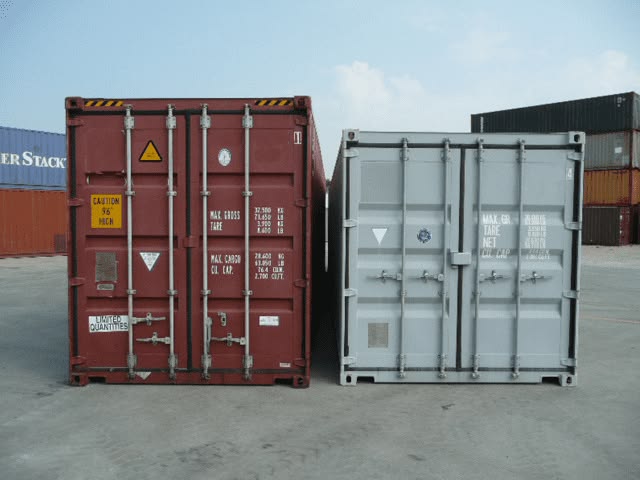
Shipping containers are standardised, ISO-compliant units designed for transporting cargo safely across different transportation modes without repeatedly unloading goods.
This is known as intermodal transportation, connecting ships, railways and road networks.
The commonly used sizes are:
- 20-foot container: One Twenty-foot Equivalent Unit (TEU).
- 40-foot container: Two TEUs.
TEU is the standard measurement used to calculate container capacity across shipping and logistics networks.
Key Components and Financial Assistance Under CMPS
The scheme provides three principal categories of financial assistance.
1. Interest Subvention Assistance (ISA)
With an allocation of ₹859 crore, ISA provides 3% annual interest subvention on eligible term loans for:
- Greenfield projects with minimum annual manufacturing capacity of 1,00,000 TEUs.
- Brownfield expansions adding at least 25,000 TEUs annually, commissioned within three years of in-principle approval.
2. Operational Expenditure Assistance (OEA)
The largest component, with ₹8,891 crore allocated, supports eligible domestically manufactured containers meeting global shipping standards.
| Container category | Assistance per unit |
|---|---|
| 20-foot container | ₹49,500 |
| 40-foot container | ₹86,625 |
| 20-foot specialised container | ₹37,125–₹74,250 |
Local content requirements:
- 70% through FY 2031–32.
- 90% from FY 2032–33.
This assistance is designed to bridge production-cost differences and improve the price competitiveness of Indian manufacturers.
3. Testing and Certification Assistance
An allocation of ₹150 crore supports common testing and certification infrastructure, including specialised facilities such as dynamic longitudinal impact testing. This can improve product reliability and facilitate compliance with international quality requirements.
Expected Economic and Industrial Impact
The government envisages the following outcomes:
- Manufacturing capacity: Approximately ten-fold expansion to 7.5 lakh TEUs annually.
- Employment: Around 3,000 direct and over 50,000 indirect jobs.
- Exports: Potential development of India as a global shipping container manufacturing and export hub.
- Supply-chain resilience: Reduced import dependence and stronger domestic production capabilities.
- Ancillary industries: Increased opportunities in specialised steel, corner castings, wooden frames and industrial paints.
These are announced targets and expected outcomes, not already achieved results.
Supporting India’s Maritime Ecosystem
CMPS forms part of a broader maritime development strategy.
- Bharat Container Shipping Line (BCSL): An MoU was signed in February 2026 to establish a domestic container shipping ecosystem.
- Maritime legislation: The Merchant Shipping Act, 2025, Coastal Shipping Act, 2025 and Indian Ports Act, 2025 strengthen the regulatory framework.
- Digital initiatives: One Nation One Port Process, Maritime Single Window and e-Samudra support port-process standardisation and digital efficiency.
- Infrastructure programmes: PM Gati Shakti, National Logistics Policy and Sagarmala support multimodal connectivity and port-led development.
Business Opportunities and Strategic Implications
CMPS could create opportunities beyond direct container manufacturing.
- Industrial investors: Evaluate greenfield manufacturing and eligible brownfield expansion.
- MSMEs: Explore component manufacturing and local sourcing partnerships.
- Steel and engineering businesses: Supply specialised steel, castings and fabricated components.
- Sourcing companies: Connect domestic manufacturers with international suppliers and buyers.
- Logistics businesses: Explore freight, warehousing, transportation and distribution requirements.
- Testing providers: Assess opportunities in certification and industrial testing infrastructure.
Business analysis: The increasing local-content threshold creates a potential commercial opportunity for Indian component suppliers. However, businesses must independently assess technical standards, investment requirements and scheme eligibility. Ancillary suppliers should not assume that they automatically qualify for direct CMPS assistance.
Conclusion
The Container Manufacturing Promotion Scheme represents a significant policy intervention in India’s maritime manufacturing ecosystem. Its ₹10,000-crore outlay, production incentives and testing infrastructure aim to reduce import dependence, expand domestic capacity and strengthen global competitiveness. Effective implementation could create opportunities across manufacturing, engineering, sourcing and logistics, supporting India’s ambition to become a major global manufacturing and logistics hub.
About PROACTIVE GROUP
PROACTIVE GROUP is a one-stop business solutions company headquartered in Lucknow, Uttar Pradesh, with field offices in Greater Noida and Ajman, UAE. With 11+ years of industry experience, it serves businesses across India and international markets.
Its services include domestic and international sourcing, distribution, channel development, transportation, freight, warehousing, 3PL, logistics and business consulting. The company also provides IT solutions, GST and tax consulting, regulatory services and government tender consulting.
ISO 9001:2015 certified, D&B D-U-N-S registered and a Government of India certified company, PROACTIVE GROUP helps MSMEs and businesses expand across domestic and international markets.
Website: https://proactivebizs.com/
Contact us: https://proactivebizs.com/contact/
Businesses exploring manufacturing supply chains, sourcing partnerships and logistics opportunities can connect with PROACTIVE GROUP for relevant business solutions.
Frequently Asked Questions
1. What is the Container Manufacturing Promotion Scheme?
CMPS is a government initiative supporting new and existing Indian shipping container manufacturers through investment, production and testing assistance.
2. What is the total financial outlay of CMPS?
The scheme has a total budgetary outlay of ₹10,000 crore up to FY 2039–40.
3. How much financial assistance is available per container?
Assistance ranges from ₹37,125 to ₹86,625, depending on container type.
4. What is the minimum local-content requirement?
It is 70% through FY 2031–32, increasing to 90% from FY 2032–33.
Important factual note: The three principal component allocations total ₹9,900 crore. The remaining ₹100 crore is allocated to scheme management, monitoring and capacity building, reconciling the ₹10,000-crore overall outlay.
Primary government references:
